Category: Tohatoha | Share

Self Portraits of Room 4

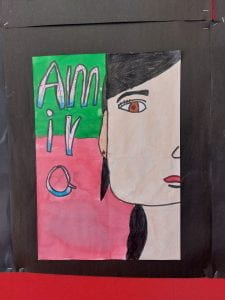
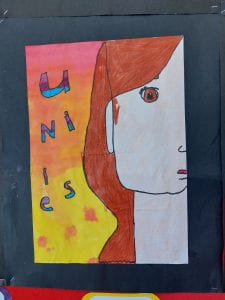
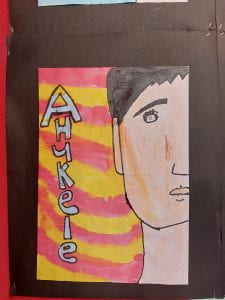
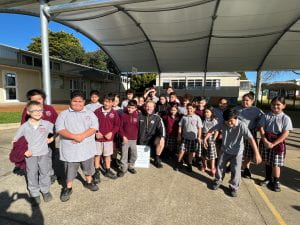
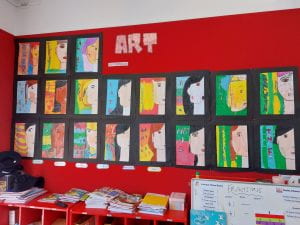
Last week Room 4 started their self portraits. The self portrait we chose to do was easy and fun.

First we watched a video and step by step folded our papers for guidelines and then drew half of our faces.

Next we wrote our names as stick figures and then outlines it with block shapes.

After that we outlined everything with a sharpie and then erased any pencil marks that was left.

We then had to colour our faces and hair and our names using crayons. The reason we used crayons was that after colouring our faces, we used dye for the background, so using crayons was important not to stain our faces  accidentally  with the dye.

Finally we could dye the background. It was important that if we used warm colours for our name then we would have to use cold colours for the background and vice versa.

Everyone had so much fun and made beautiful self portraits.
Pita Pockets

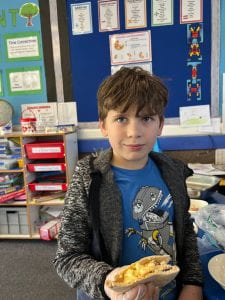
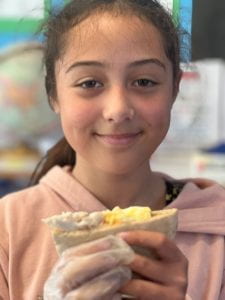
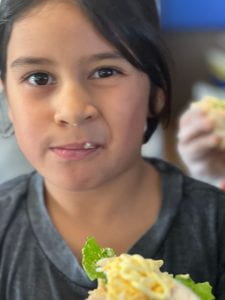
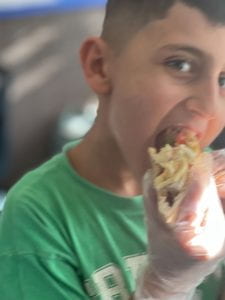
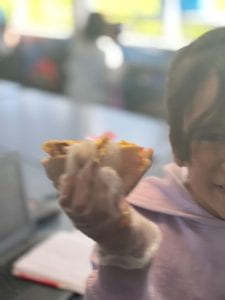
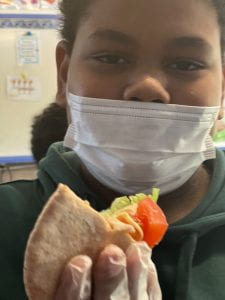
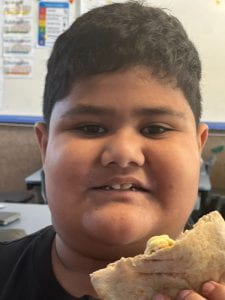
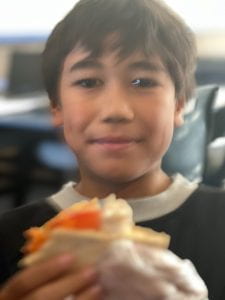
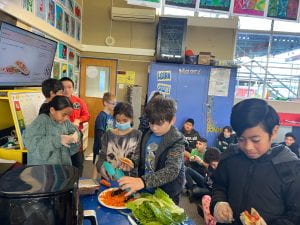
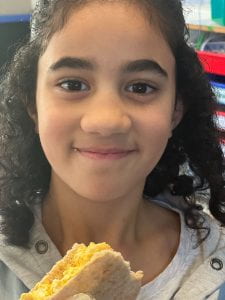
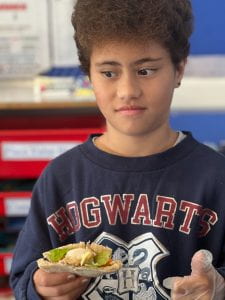
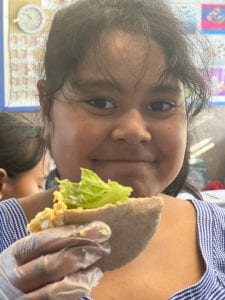
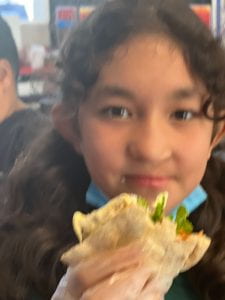
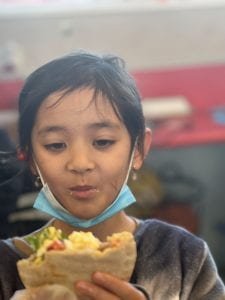
Today in class we learnt to make a healthy sandwich using a pita pocket.

We had the choice of grated carrot, lettuce, cooked chicken, mashed boiled eggs with mayo, pita pockets, feta cheese, tomato, and Kewpie mayonnaise. There was halloumi for those who can’t eat meat. People had choices with their fillings. We thought it was yummy. Miss Lowans heated the pita breads in her air fryer.

Private vs Public

Today in Cybersmart we learned about Private and Public information.

Sometimes when sharing information online we need to stop and think about whether the information is suitable to share, whether it is in fact information that should be kept private.

We had a good chat about this presentation and decided what we think.

Taniwha Art

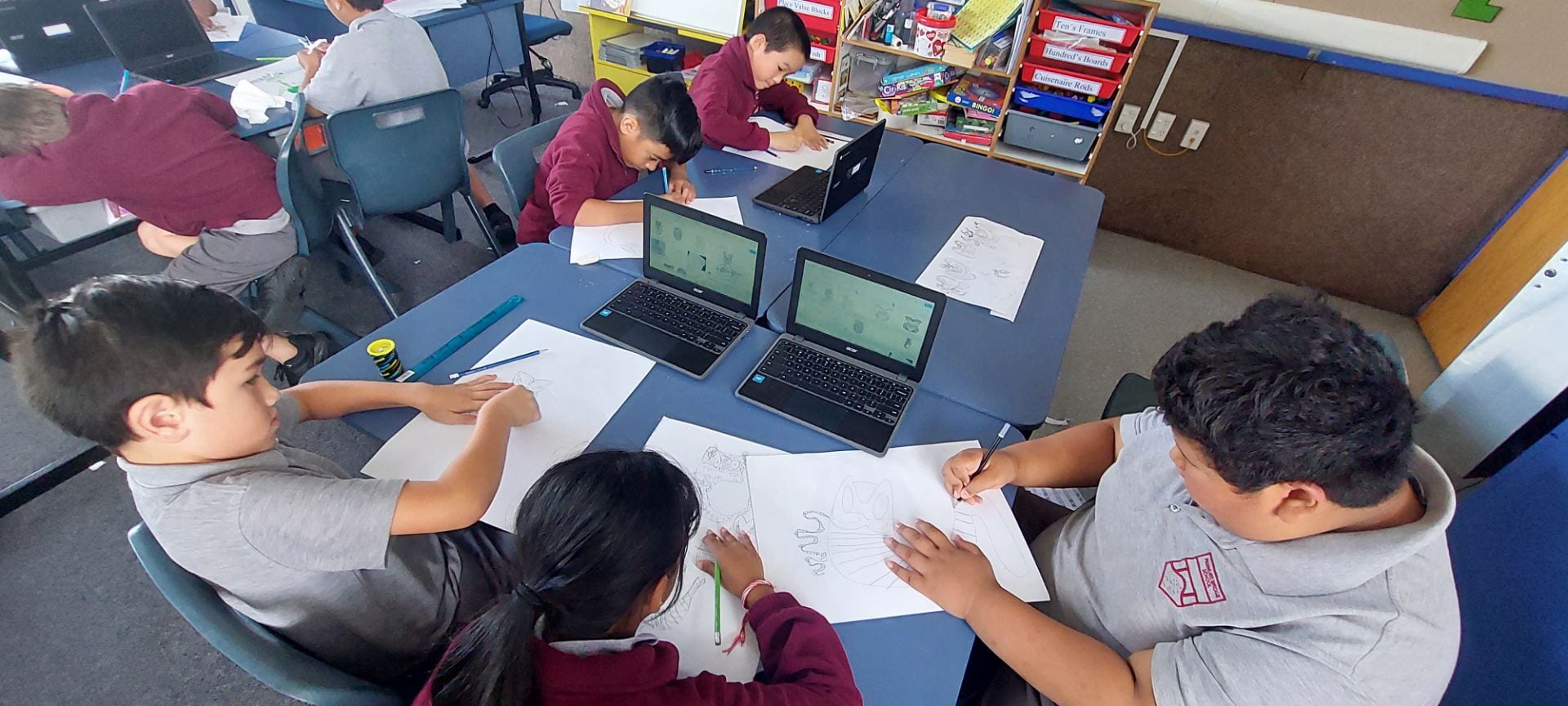
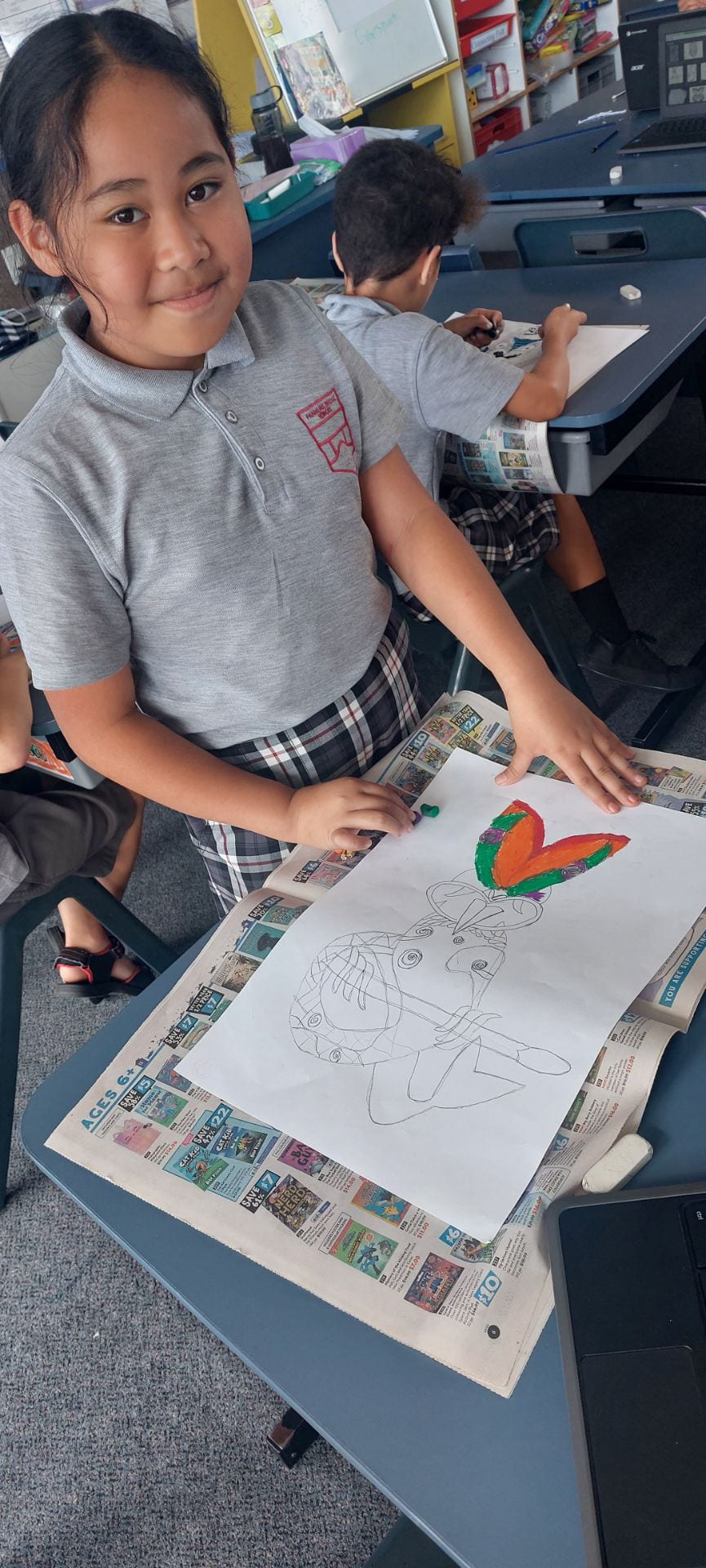
On Friday we embarked on a journey to learn about the Tāniwha of the Tamaki river, a mythical creature from Maori culture that is said to inhabit New Zealand’s waterways.

To start our lesson, we explored the history and significance of Tāniwha to Maori culture. We talked about how they were considered to be guardians of the river and protectors of the people who lived nearby. We also discussed the importance of respecting the Tāniwha and the river, as it is a vital part of the ecosystem.

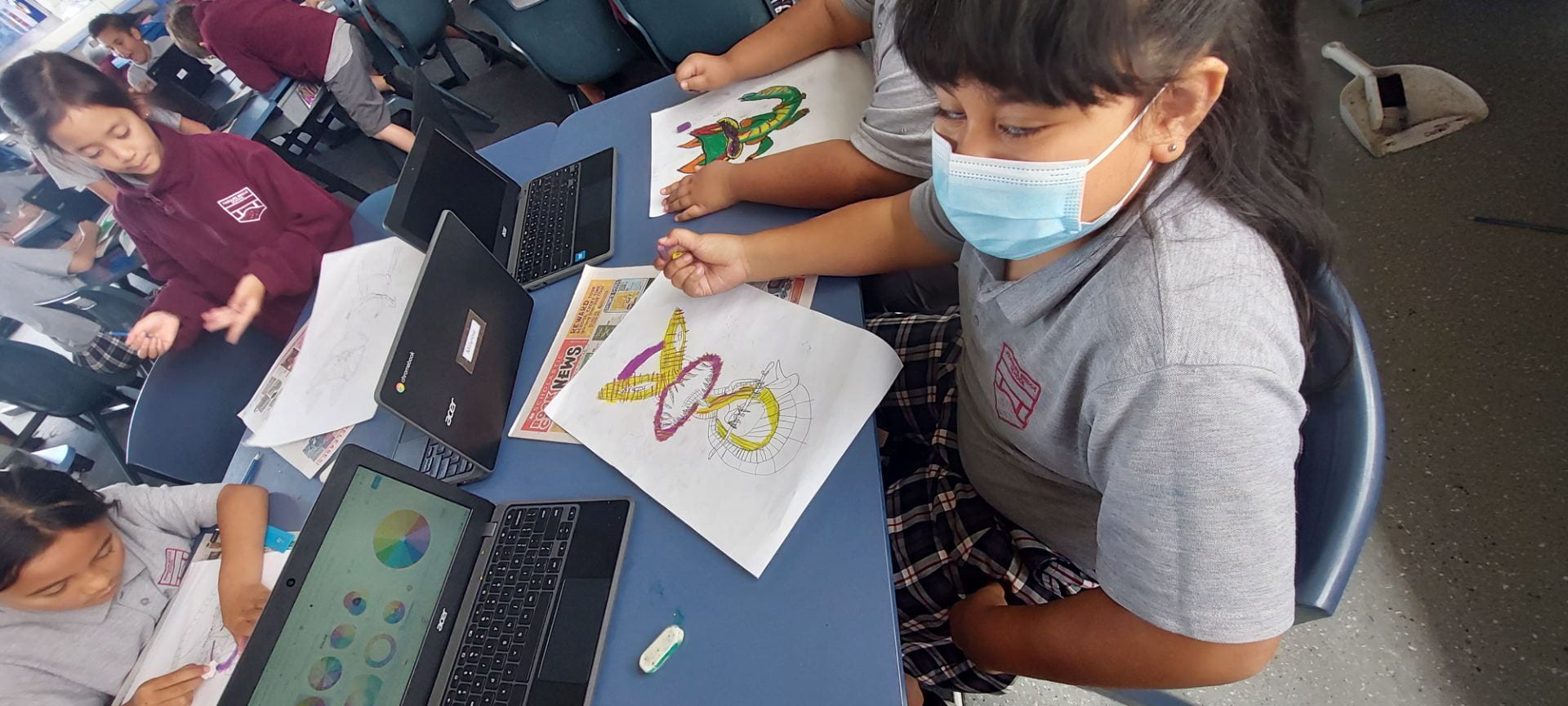
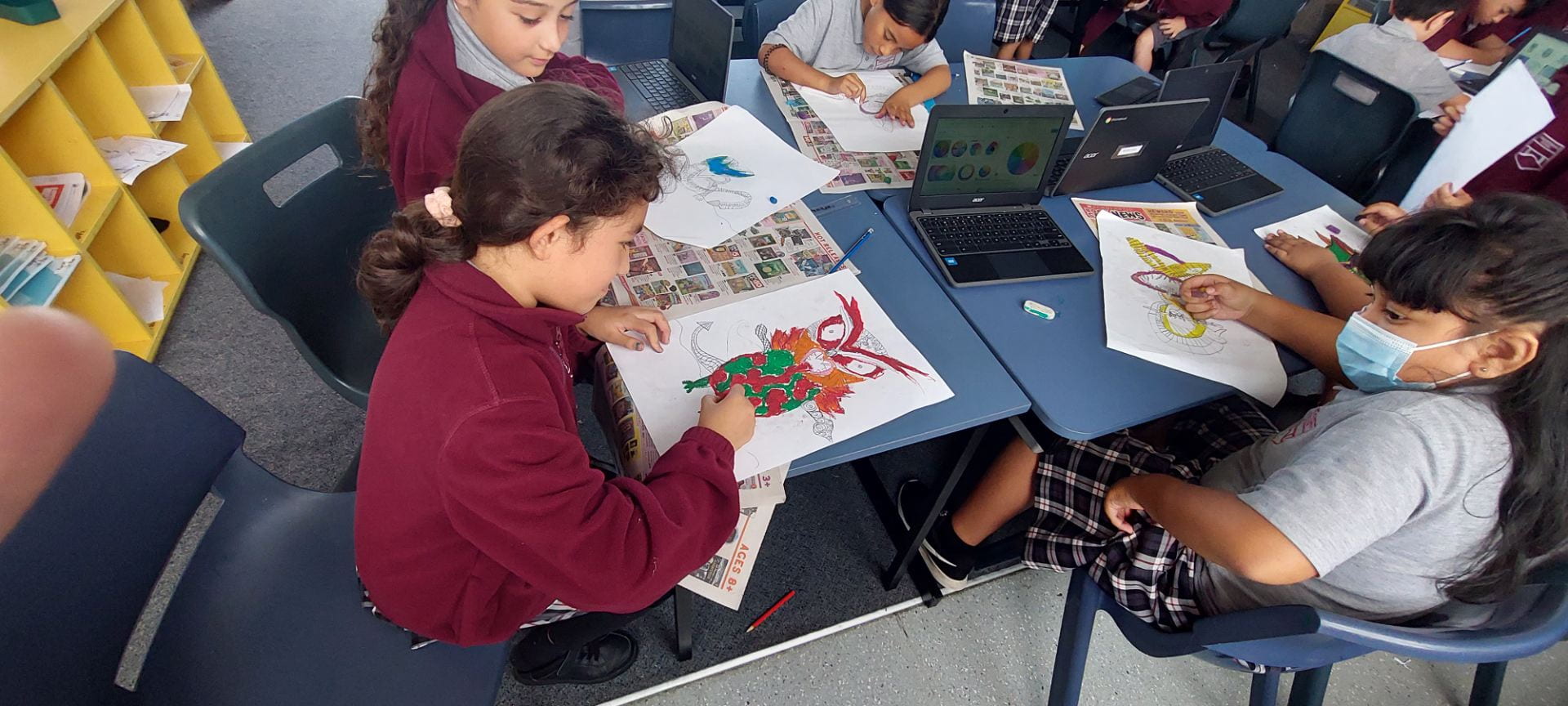
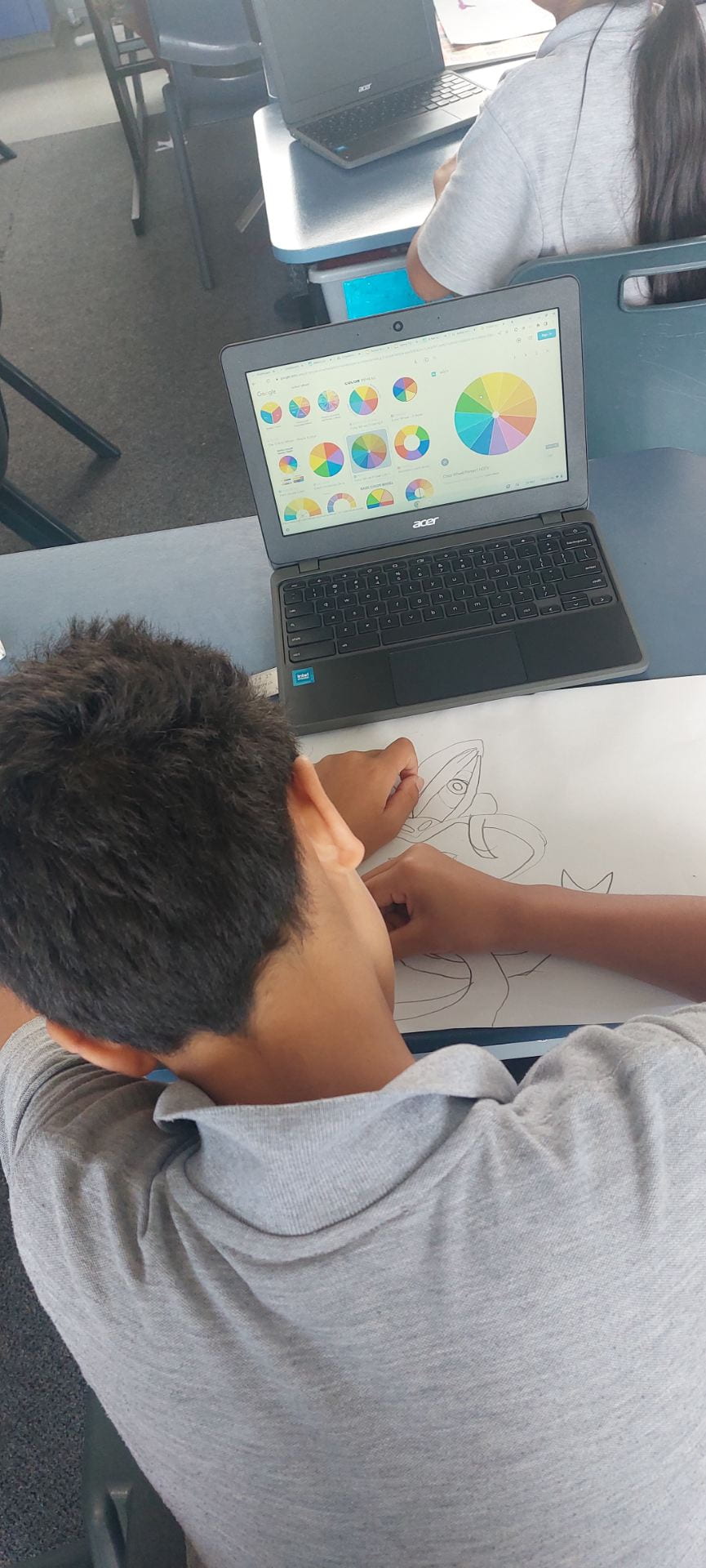
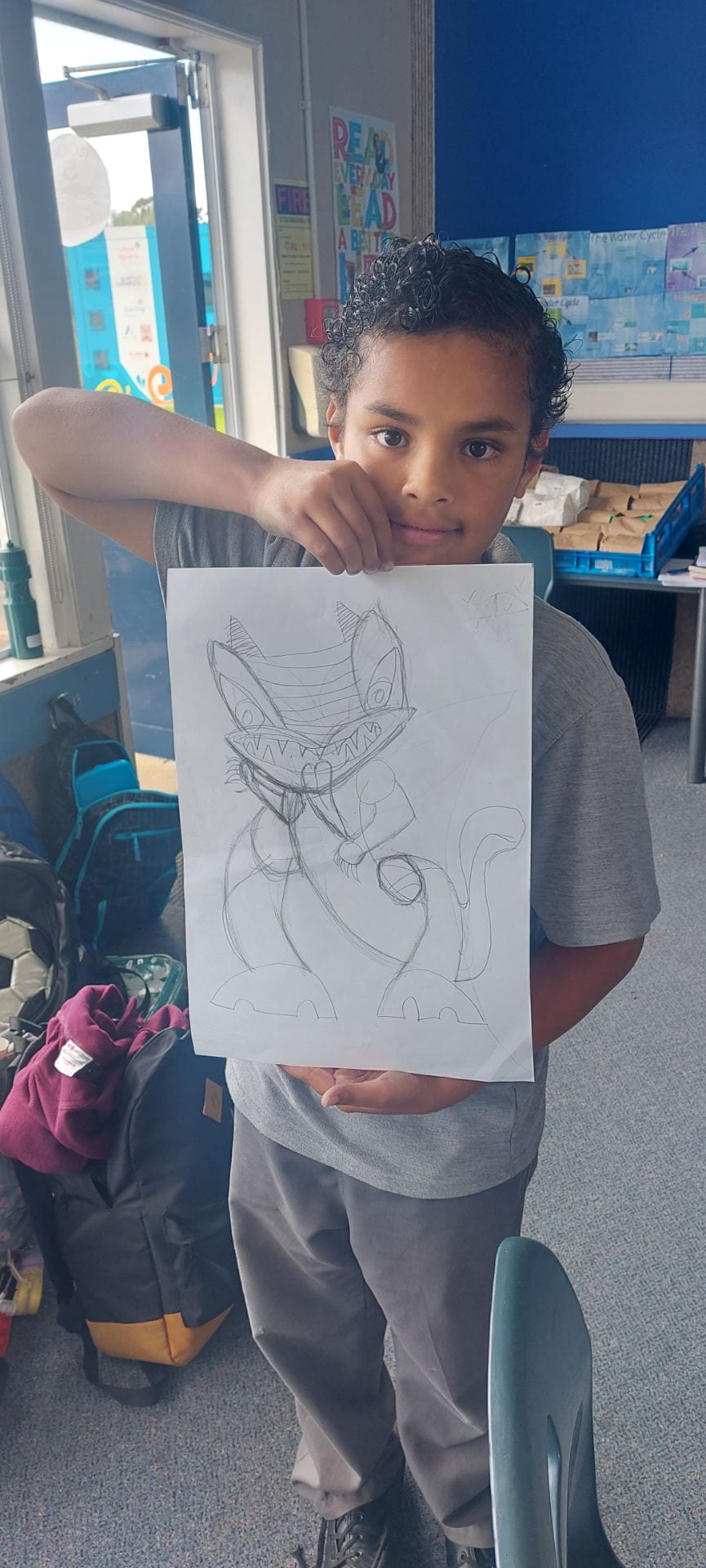
After learning about the Tāniwha, it was time for the students to create their own designs. We used Google Images to look at different representations of Tāniwha and discussed their unique characteristics. Then, the students were asked to sketch their own Tāniwha, incorporating some of the features that they found most interesting.

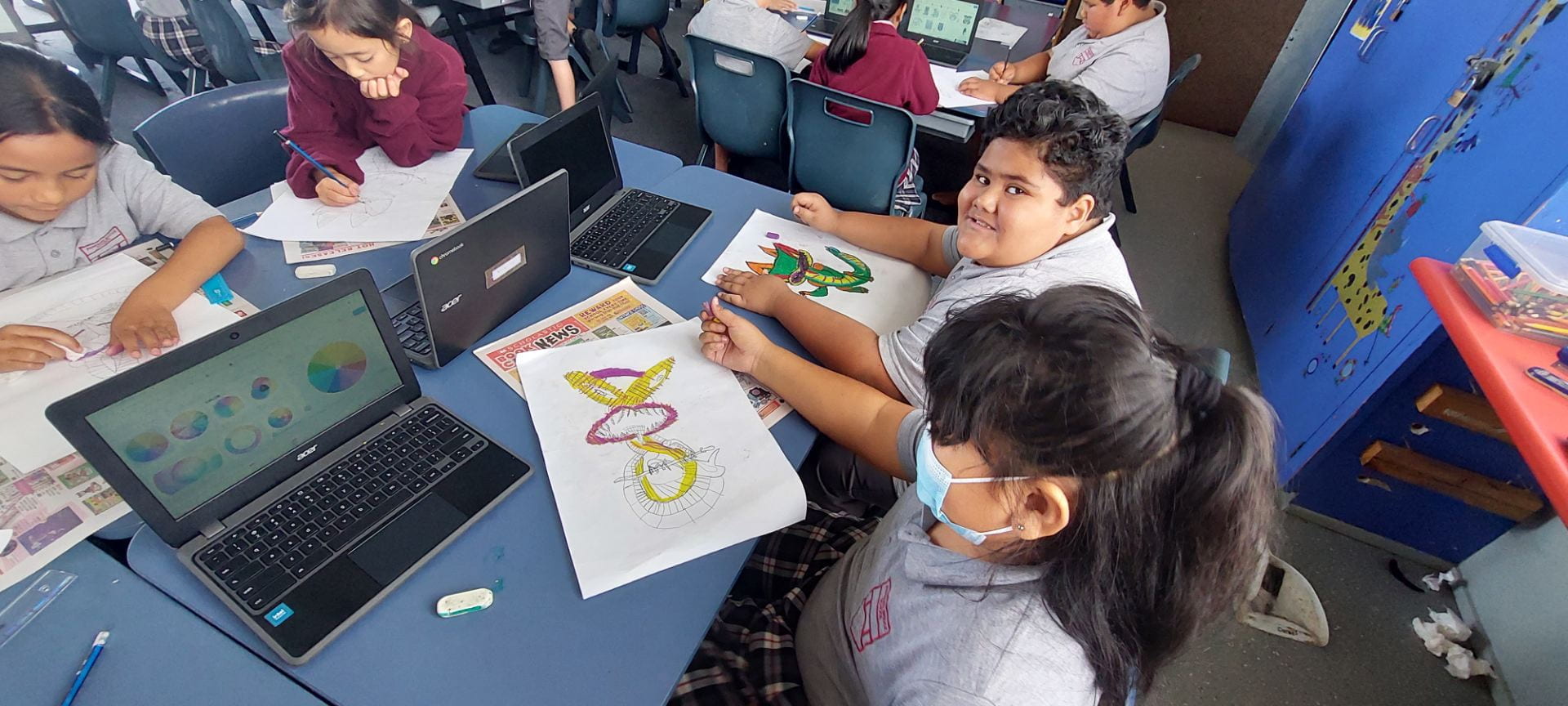
Next, we moved on to the colouring process. I introduced the students to the colour wheel and discussed the concept of complementary colours. We talked about how complementary colours are opposite each other on the colour wheel and how they create a pleasing contrast when used together.

The students were then given oil pastels to add colour to their Tāniwha drawings. Some chose to blend colours while others preferred to use a more vibrant style. Many students chose to use the complementary colour scheme to make their Tāniwha really stand out.

Overall, this lesson was a great success. The students were enthusiastic about learning and creating, and I was thrilled to see them engaging with the material in such a meaningful way.


Copyright laws and t-shirt designs

Today in Cybersmartwe learned about copyright law and attribution. To use someone else’s work, you have to have their permission, or it must be free to use. For this task we designed three different t-shirts.
  • The first one was from Google images, and would not be able to be printed because of copyright.
  • The second one was from the explore tool. It could be printed, but only with attribution.
  • The third one we created ourselves, which means we can print it if we wanted to.